



NOTRE HISTOIRE
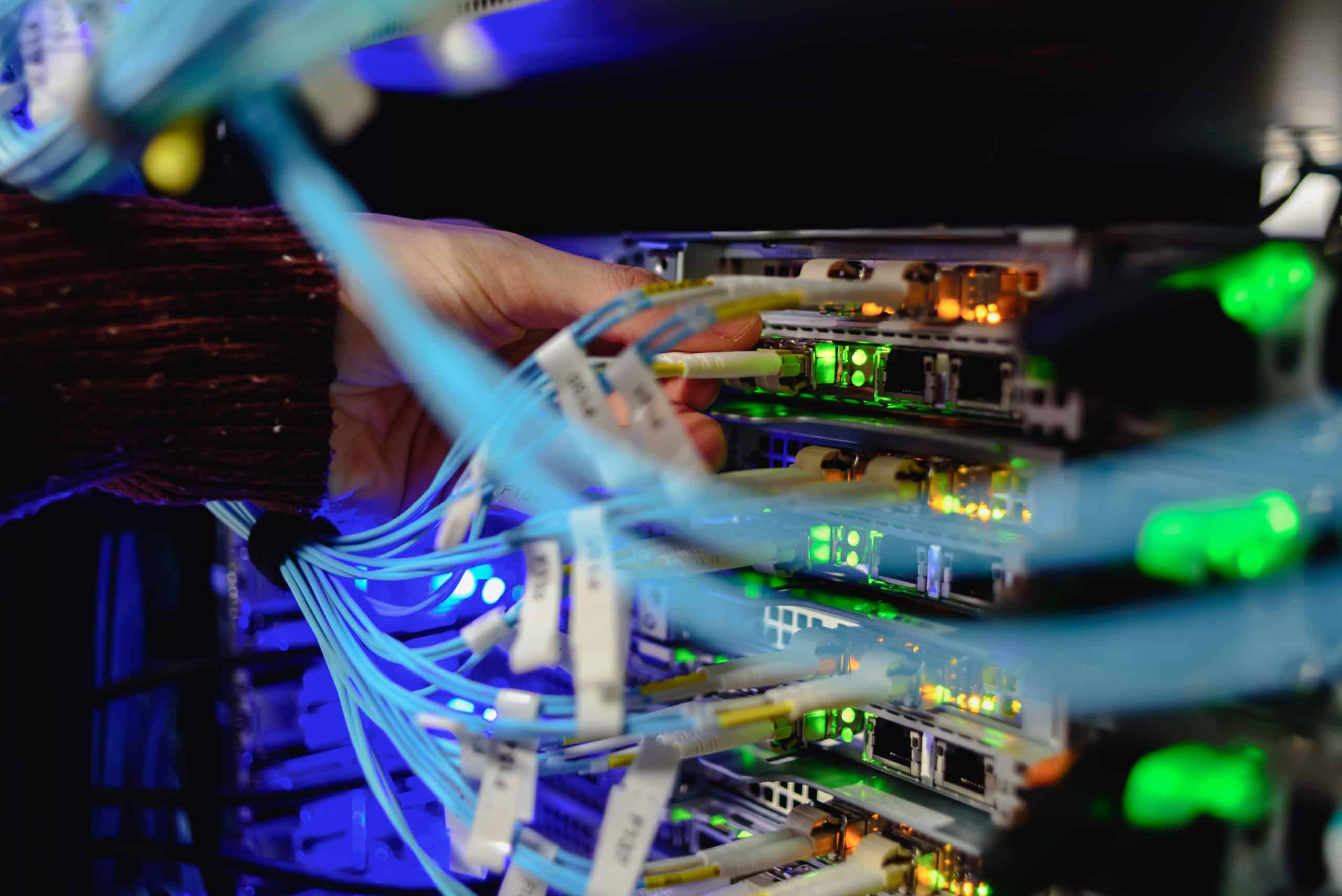
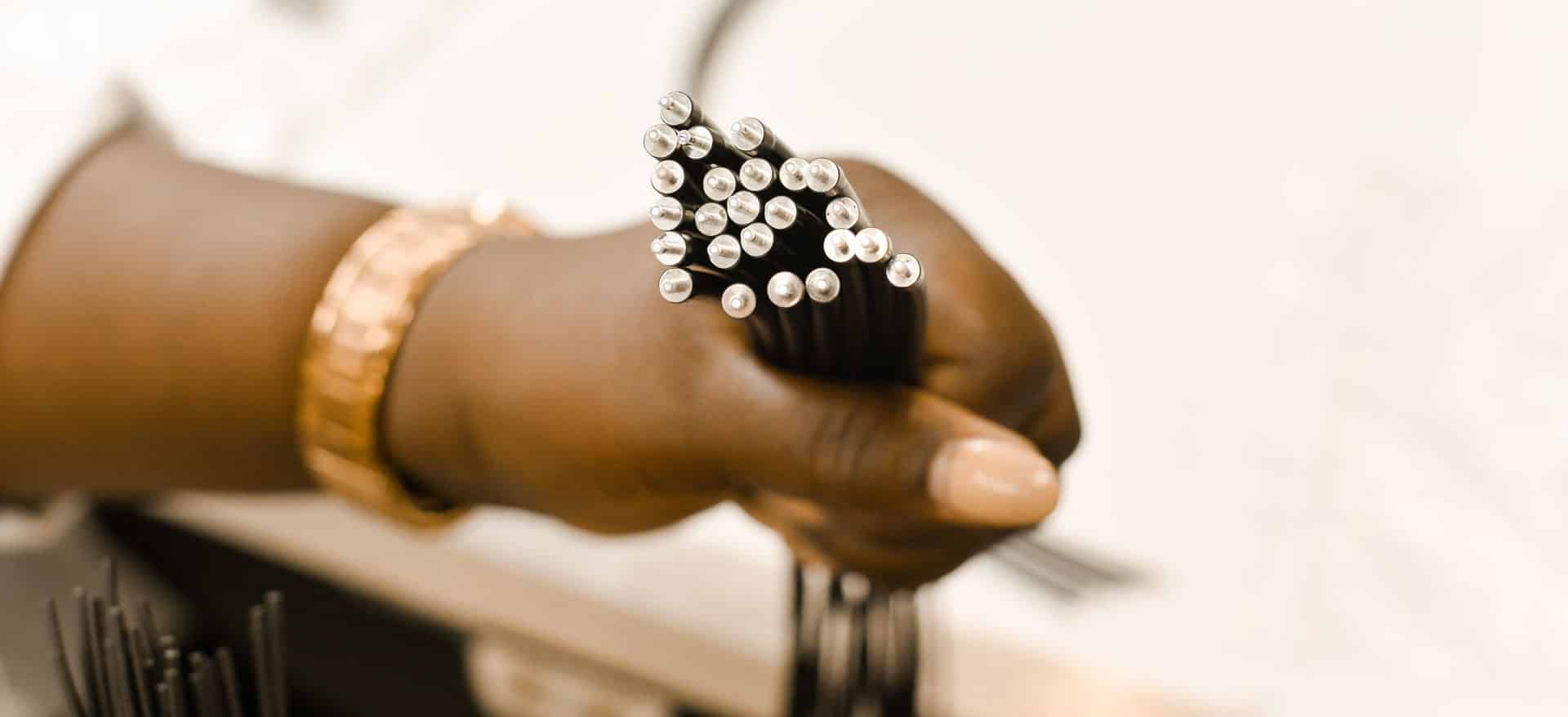
Jenoptec, société française spécialisée dans la fibre optique et les produits optoélectroniques, œuvre depuis 1986 pour satisfaire l’ensemble des besoins optiques de ses clients.
Nous sommes fabricants de câbles à fibre optique, de conducteurs et de solutions à fibre optique « à façon », mais aussi distributeur de produits à forte valeur ajoutée dans divers domaines comme la Défense, le ferroviaire, le broadcast ou plus généralement l’Industrie.
Notre vocation est de maîtriser toute la chaîne de valeur de nos solutions Fibre Optique & Optoélectroniques : de la conception, la fabrication, le déploiement, la validation & recette et le maintien en conditions opérationnelles.
« Nous avons la fibre optique. »

NOS MÉTIERS
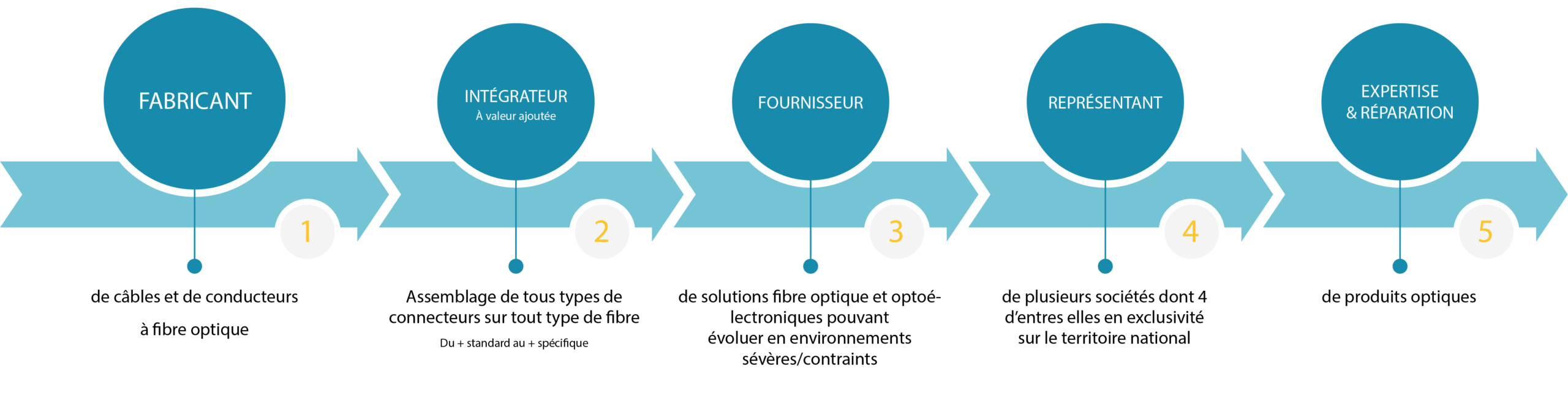
Notre cœur de métier est la fabrication de fibre optique, néanmoins Jenoptec intervient auprès de ses clients en proposant une solution complète sur-mesure. Nous intervenons en tant qu’intégrateur à valeur ajoutée, fournisseur, représentant et expert en conseil et réparation de produits optiques. Nous proposons un service clés en main tout au long du processus de vente, du conseil en solution en passant par le déploiement jusqu’à la maintenance de vos équipements. L’ensemble de ses compétences donne à Jenoptec une position incontournable dans divers domaines d’activité liés à la transmission de données, afin d’intégrer nos solutions à valeur ajoutée avec flexibilité.
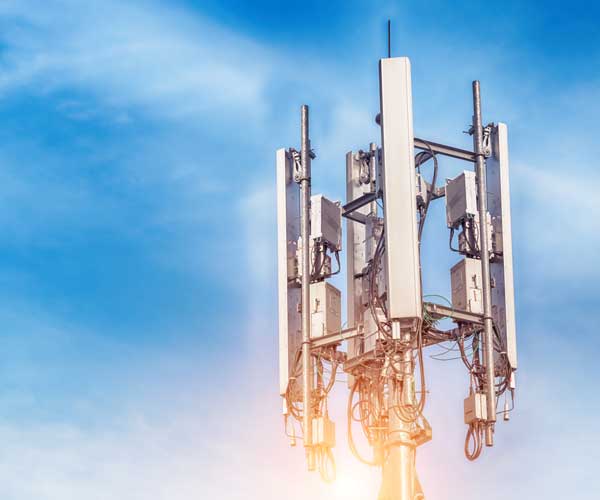
TÉLÉCOM & RÉSEAUX
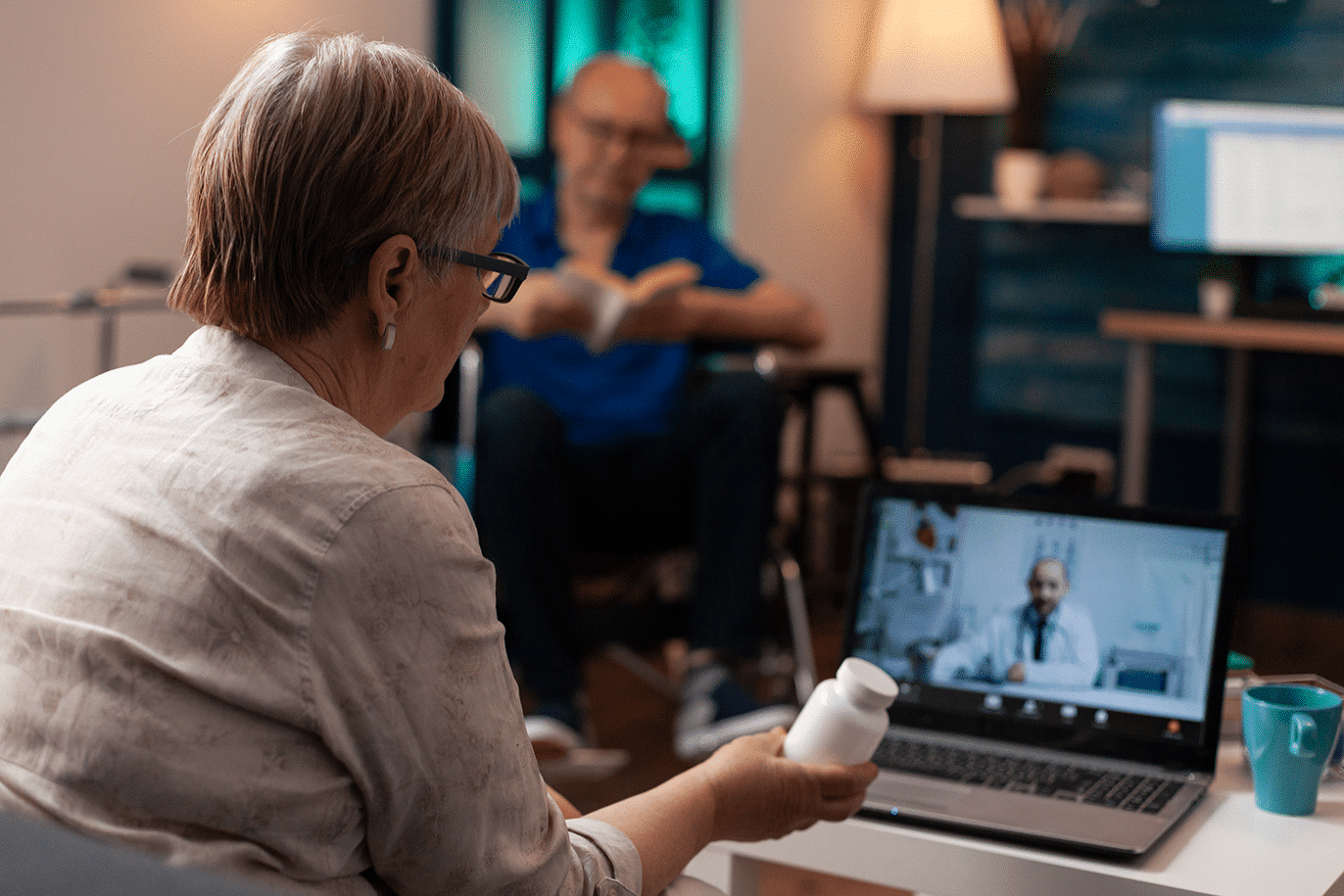
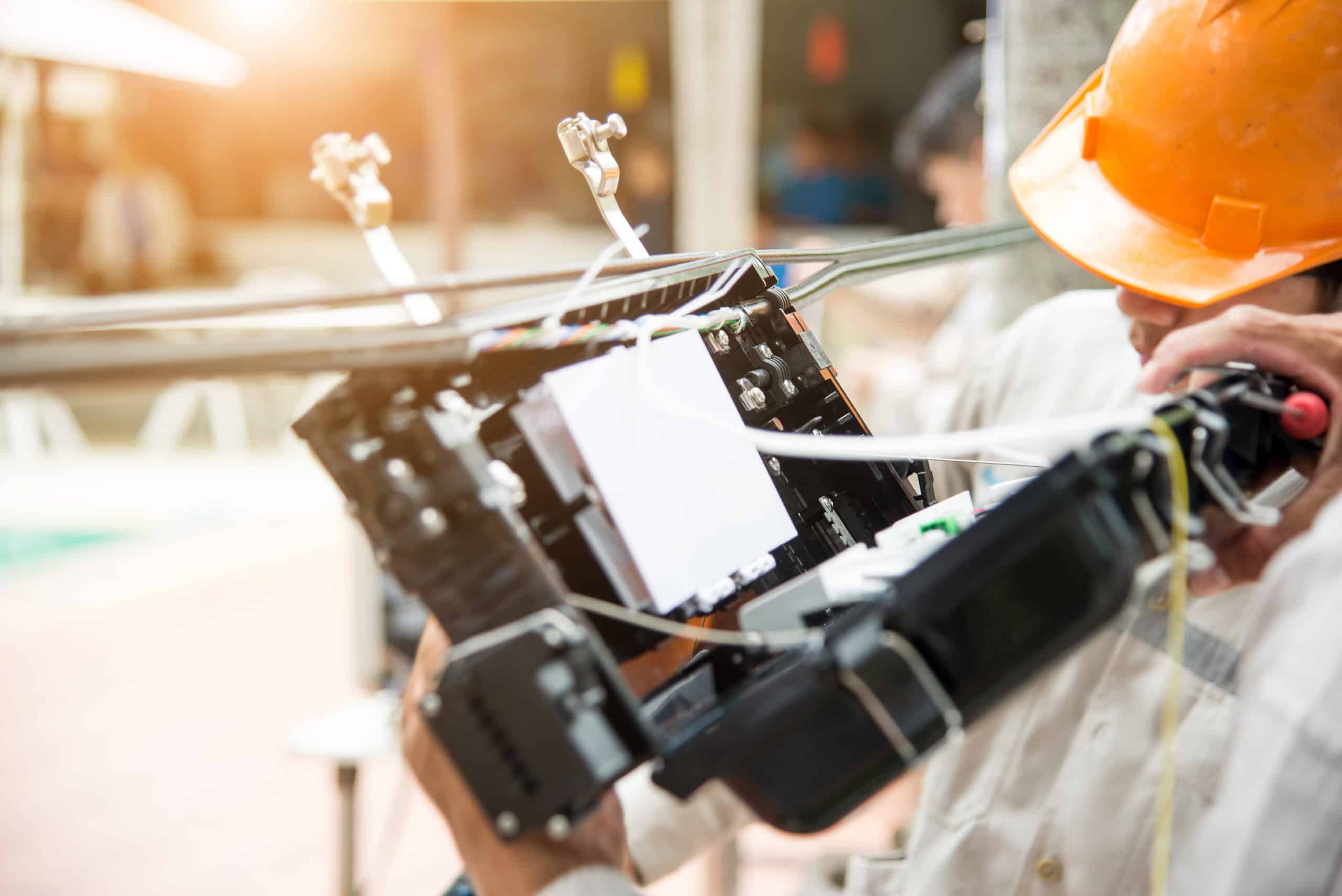
En tant qu’expert en intégration, nous proposons des solutions fibre optique clés en main et un accompagnement pour tous vos projets télécom et réseaux.
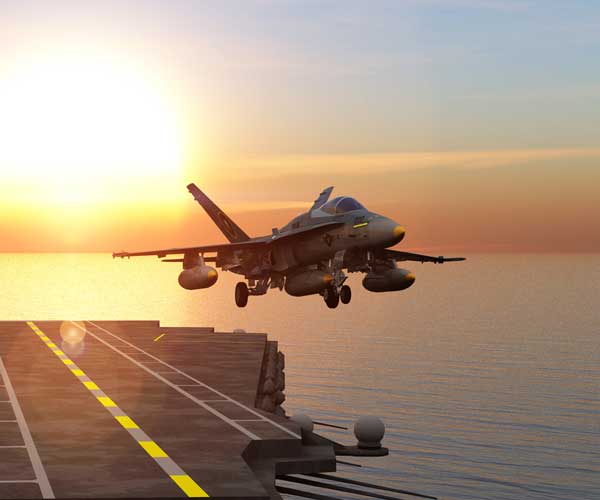
DÉFENSE ET INDUSTRIE
Aujourd’hui Jenoptec est reconnu comme un interlocuteur incontournable dans le monde de la Défense et des activités sensibles grâce à son savoir-faire dans la production de solutions pour environnements sévères.
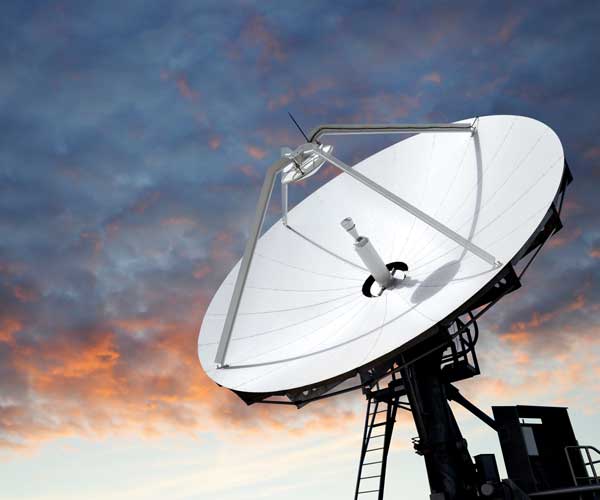
TEST & SIMULATION
Représentant depuis plus de 20 ans, Jenoptec propose des simulateurs GNSS et solutions de test de la marque Spirent, offrant ainsi une large gamme d’équipements pour des tests de laboratoire répétés, fiables et professionnels.
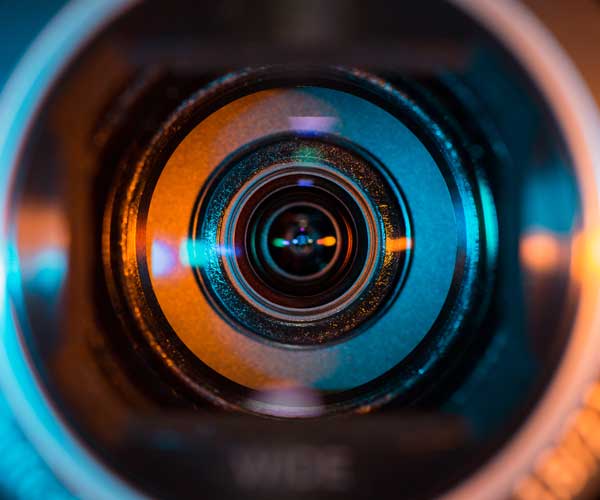
BROADCAST & ÉVÉNEMENTIEL
Nous accompagnons nos clients de l’audiovisuel et de l’événementiel en leur proposant à la vente et à la location une gamme complète de produits broadcast et de services adaptés à leurs besoins.
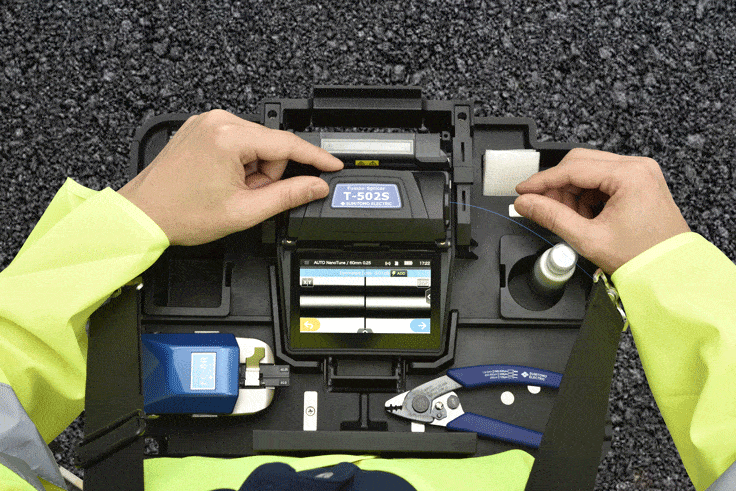
JENOPTEC, UN DOMAINE MAÎTRISÉ
Depuis 1986, nous sommes spécialisés dans la fibre optique et l’optoélectronique. Nos activités sont l’assemblage de tous types de connecteurs optiques sur tous types de fibres et composants. De plus, la vente et la location de matériels optoélectroniques pour diverses applications, comme le télécom, la Défense et le GNSS, font partie intégrante de nos métiers. Nous apportons notre expertise et notre savoir-faire à nos clients au sein d’une relation privilégiée, vous garantissant la réussite durant l’intégration de nos solutions.
EN SAVOIR PLUS SUR NOS ACTIVITÉS
UN RÉSEAUX DE PARTENAIRES PRESTIGIEUX
Depuis sa création, Jenoptec a noué de solides partenariats avec des acteurs historiques et leaders dans leurs domaines, en instaurant une relation basée sur la confiance. Nous distribuons des produits à valeur ajoutée en exclusivité sur le territoire national par le biais de nos partenaires.
Nous offrons sur le marché des réseaux fibrés télécom, datacom, broadcast et militaire, le plus grand choix de connecteurs, composants, instrumentation et équipements de transmission.
Quelles que soient vos applications et vos conditions d’utilisation, nous vous proposerons une solution, un support et un accompagnement de qualité pour vos différents projets.
RECHERCHE & DÉVELOPPEMENT
Au cœur de notre stratégie se trouve notre cellule Recherche et Développement, proposant de nouveaux produits grâce à ses différents collaborateurs spécialisés dans l’ingénierie optique. Nous assurons le développement de nouveaux produits et des études à façon, tant dans les structures de câbles que dans les produits de l’écosystème optique. Nous proposons une solution complète à nos clients concernant leurs besoins spécifiques, grâce à notre expertise et notre activité de conseil dans le domaine des solutions optiques. Afin de proposer un accompagnement de qualité, nous formons nos clients et les conseillons dans le choix de leurs structures.
« Repoussons les limites de la fibre optique. »
ILS NOUS FONT CONFIANCE